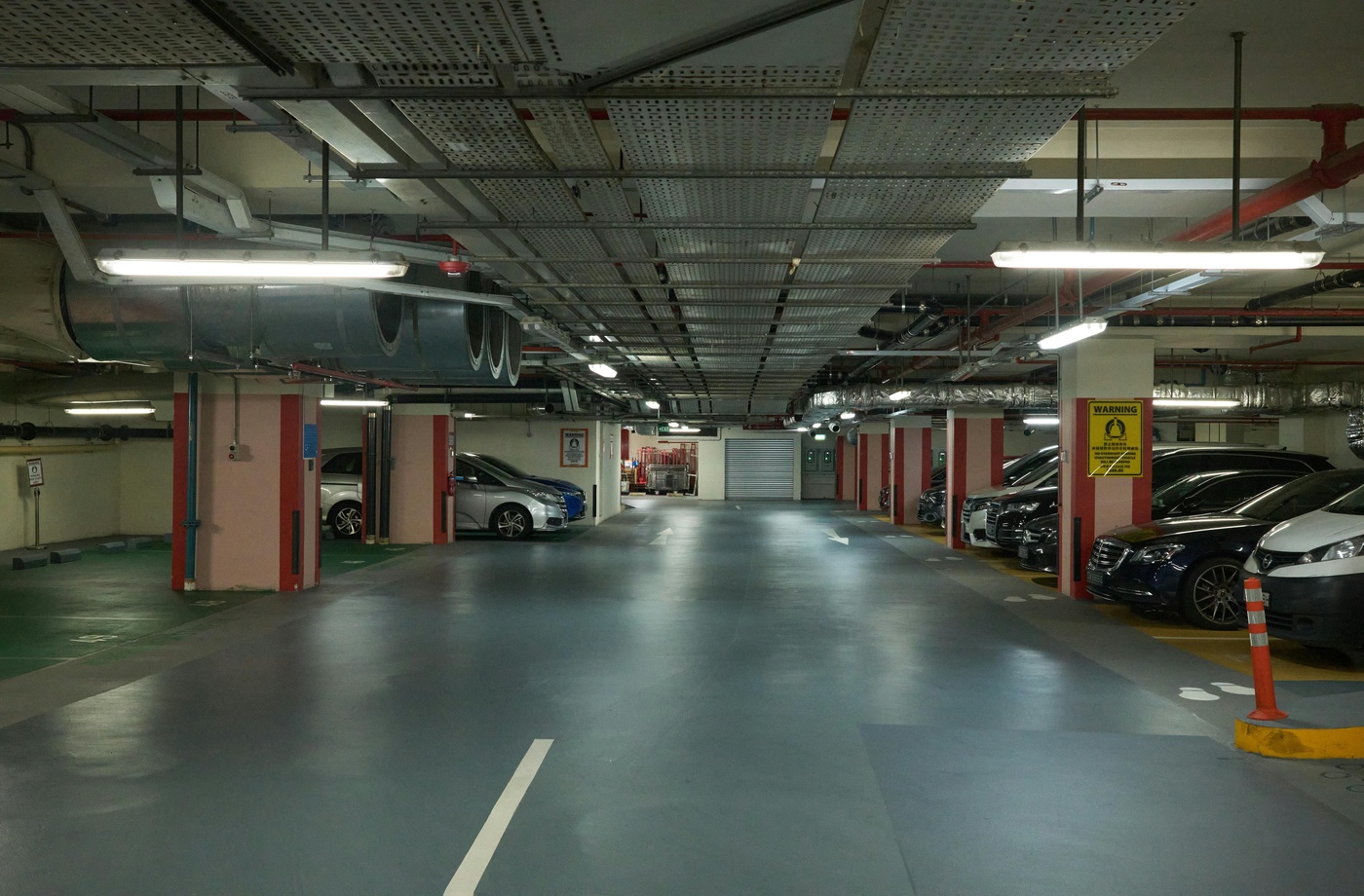
Farmers markets are weekend staples—offering local produce, handmade goods, and community energy you can’t find at big-box stores. But as more people flock to these open-air markets, parking becomes a challenge. Between early bird shoppers and late-morning crowds, finding a convenient, legal place to leave your car can make or break your experience.
This guide outlines the best ways to navigate parking near farmers markets—so you can focus on what really matters: fresh food and local finds.
Arrive early or shop later
Timing is everything. Most markets start between 7–9 a.m. and begin to thin out by noon. If you’re looking for the best parking, arrive within the first hour of opening. Early birds not only get the best produce—they also snag prime street parking or small adjacent lots before crowds build.
If you’re more of a casual browser than a bulk produce buyer, consider showing up in the final hour. Parking often opens up as vendors start packing, and some sellers offer end-of-day discounts.
Check market-specific hours using directories like LocalHarvest or city-run calendars such as GrowNYC for New York-based markets.
Use nearby business lots—legally
Many markets are located near plazas, libraries, or retail stores that offer free or time-limited customer parking. If you plan to dine nearby or grab a coffee before or after shopping, you may be able to use those lots with no issue. Just be sure to confirm signage, as some enforce towing policies or time limits during market hours.
Stopping at a participating retailer? You can often earn cashback at Starbucks or buy a CVS gift card with rewards using Fluz before your trip—making your quick stops more rewarding while using available parking legally.
Consider park-and-walk zones
If the market is located in a historic district or on a closed street, parking directly next to it may not be possible. In these cases, it’s better to find open parking a few blocks away and enjoy a short walk in. Apps like Parkopedia or SpotAngels can help map legal street parking near markets.
Wear comfortable shoes and bring a rolling cart or tote bag to make the walk back easier if you’re carrying produce.
Biking is a growing trend
Many markets now offer designated bike racks, and cities with active cycling communities often include farmers markets as part of their protected bike route networks. This is especially common in places like Portland, Seattle, and Minneapolis. Use Google Maps or Citymapper to identify safe cycling routes and parking.
Public transit drop-offs
In metro areas, public transportation is often the easiest way to avoid parking stress altogether. Many markets are located along main bus or rail corridors—check with your local transit agency (such as LA Metro or Chicago CTA) for routes and schedules.
Final thoughts
Farmers markets are about slowing down, savoring your surroundings, and enjoying local flavor. But that doesn’t mean you need to struggle with parking to get there. Plan ahead, know the neighborhood, and make use of nearby businesses and transit options to keep your visit simple and stress-free.